Research had to match product speed
Hike’s teams were shipping quickly, but traditional outsourced research could take weeks and cost more than many teams could justify. The result was predictable: user evidence arrived late or not at all.
I set up an internal usability lab and grew a five-person research team. We created a complete path from intake and recruitment through moderation, analysis, and reporting, designed around the cadence of product decisions.
A small technical system changed the economics
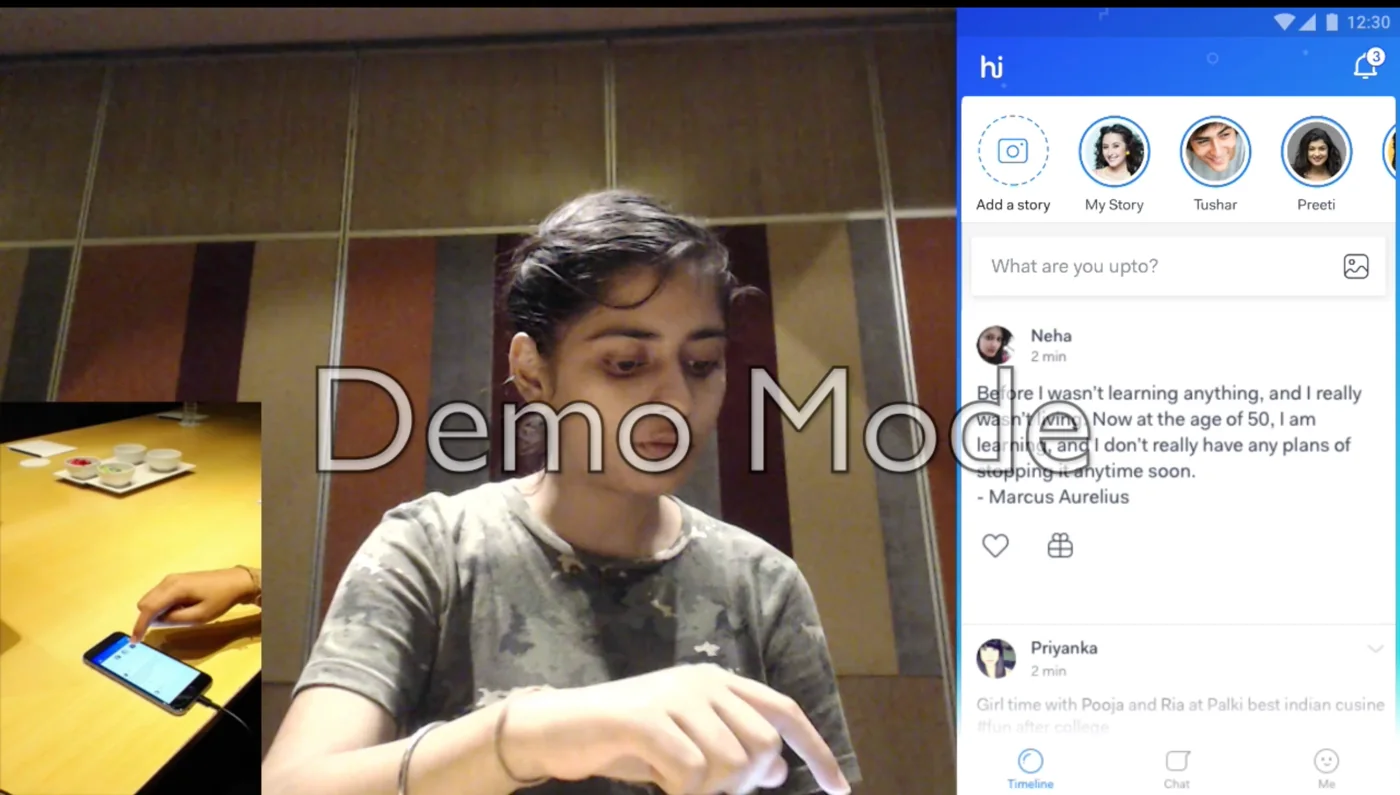
My interests in cameras, gadgets, and making things became useful. I designed a low-cost setup using two webcams, a tripod, live device capture, and keyboard markers for notable moments. The raw session could be rendered into chaptered video within minutes.
This helped take a typical research cycle from roughly eight weeks and $25,000 to three days and about $400. Over the year, we conducted more than 500 one-on-one interviews across 30+ studies spanning usability, concept testing, competitive benchmarks, and behavioural inquiry.
The real output was a habit
The lab mattered, but the bigger outcome was cultural. Product teams began treating quick iterative research as a normal part of making, rather than a special event requiring a large budget and perfect brief.
Research became effective when the operational system removed excuses to skip it.